Incorporating Brand Identity Through Typography in Digital Exhibitions
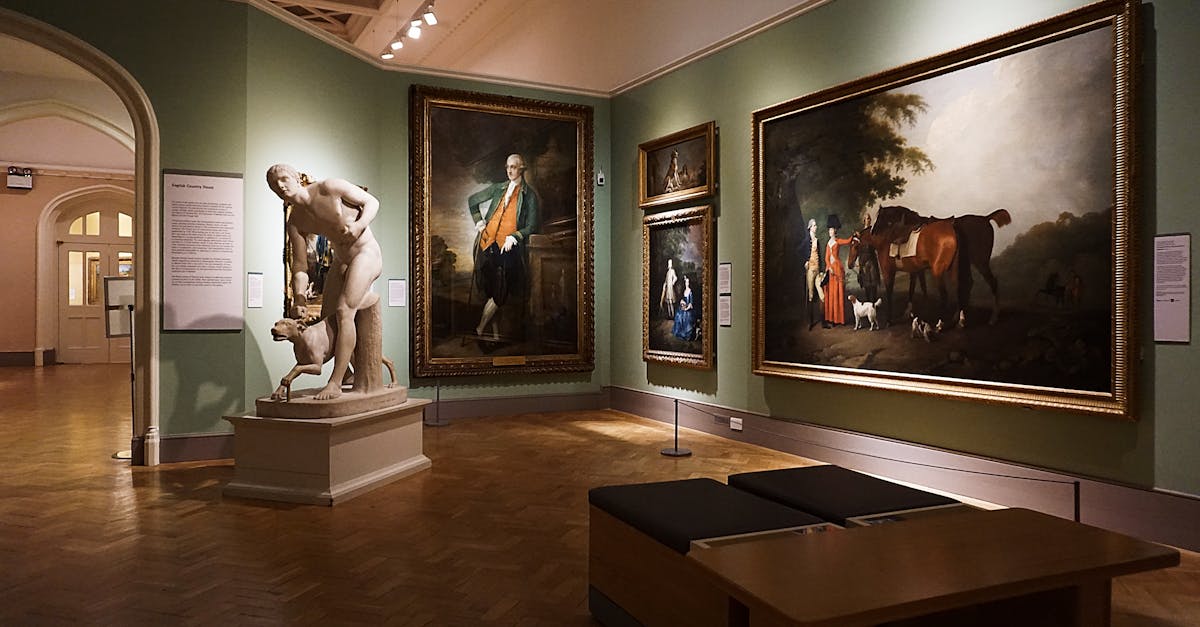
Typography in Digital Exhibitions for Brand Storytelling
Typography plays a crucial role in conveying brand identity and storytelling in digital exhibitions. The fonts chosen, along with their size, spacing, and style, contribute to the overall aesthetic and messaging of the brand. By selecting appropriate typography, digital exhibitions can effectively communicate the essence of a brand to the audience and create a memorable experience.
When incorporating typography for brand storytelling, it is essential to consider the readability and visual appeal of the text. Fonts should align with the brand's values and ethos, helping to reinforce the brand narrative through text layout and styling. Whether using a traditional serif font for a classic and elegant feel or a modern sans-serif font for a sleek and contemporary look, the typography should reflect the brand's personality and resonate with its target audience.
Infusing Brand Narrative through Text Layout and Styling
Brand narrative is an essential component of conveying a brand's identity and values in digital exhibitions. Through thoughtfully designed text layout and styling, brands can create a cohesive and engaging story that resonates with their target audience. By carefully selecting fonts, sizes, and spacing, brands can evoke specific emotions and portray their narrative in a visually compelling way.
Text layout plays a significant role in guiding the audience through the brand's story. Utilising hierarchy and structure within typography can help highlight key messages and steer the viewer's attention towards important information. Furthermore, by incorporating elements such as bold text, italics, or varying font weights, brands can add depth and emphasis to their narrative, making it more memorable and impactful.
Amplifying Brand Identity Through Colour and Typography
Amplifying brand identity through colour and typography is a crucial aspect of digital exhibitions. The strategic use of colour and typography can reinforce brand messaging and create a cohesive visual language that resonates with the audience. By harmonising font choices with the brand's colour palette, digital exhibitions can evoke specific emotions and associations, enhancing the overall brand experience for viewers.
In today's digital landscape, typography plays a significant role in shaping brand perception. As trends in digital branding evolve, staying current with modern font styles and techniques is imperative for maintaining a contemporary brand image. From sleek and minimalistic fonts to bold and expressive typefaces, the choices made in typography can greatly impact how a brand is perceived in the digital realm, making it essential to choose fonts that align with the brand's identity and values.
Harmonising Font Choices with Brand Colour Palette
Harmonising font choices with a brand's colour palette is crucial in digital exhibitions to maintain a cohesive and visually appealing presentation. When selecting fonts, it is essential to consider how they complement the colours used in the brand identity. Fonts should enhance the overall aesthetic and messaging of the exhibition, working harmoniously with the colour palette to convey the intended brand story effectively. By aligning font choices with the brand's colours, a sense of unity and consistency is achieved throughout the digital exhibition, reinforcing brand identity and creating a memorable experience for viewers.
Consistency is key when harmonising font choices with a brand's colour palette in digital exhibitions. By sticking to the designated colour scheme, typography can be used strategically to highlight important information, evoke emotions, and guide the viewer's attention. Whether it's using bold fonts for emphasis or incorporating subtle variations in font styles to create hierarchy, each decision should be made with the brand's colour palette in mind. This attention to detail in font selection ensures that the visual elements of the exhibition work together seamlessly to convey the brand's message and personality cohesively.
Typography Trends in Digital Branding
Typography trends in digital branding are constantly evolving, reflecting the ever-changing landscape of design preferences and consumer expectations. Brands are now increasingly focusing on selecting fonts that not only align with their visual identity but also resonate with their target audience. Contemporary digital branding places a strong emphasis on creating a cohesive typographic system that enhances brand recognition and communicates brand values effectively.
Moreover, designers are exploring innovative ways to experiment with typography, such as incorporating variable fonts and custom typefaces to differentiate their brand from competitors. This trend towards unique typographic expressions enables brands to establish a distinct visual voice in a crowded digital space. By embracing new font styles and techniques, brands can effectively convey their personality and ethos to consumers, ultimately strengthening brand loyalty and engagement.
Staying Current with Modern Font Styles and Techniques
When it comes to staying relevant in the realm of modern font styles and techniques, brands must remain abreast of the latest trends to ensure their typography resonates with contemporary audiences. One key aspect to consider is the evolving landscape of typographic design, where sleek sans-serif fonts and elegant serif typefaces continue to dominate digital mediums. Embracing minimalist fonts with clean lines and subtle variations can help brands achieve a sophisticated and polished look that appeals to today's discerning consumers.
Moreover, incorporating responsive typography techniques is essential for ensuring optimal readability and visual appeal across various devices and screen sizes. By utilising fluid typography, brands can dynamically adjust font sizes, line spacing, and proportions to deliver a seamless reading experience, regardless of the user's chosen platform. This adaptability not only enhances user engagement but also underscores a brand's commitment to a user-centric design approach that prioritises accessibility and user experience.
FAQS
How can typography be used in digital exhibitions for brand storytelling?
Typography in digital exhibitions can be used to convey the brand's personality, evoke emotions, and communicate key messages effectively to the audience.
What are some ways to infuse brand narrative through text layout and styling?
Infusing brand narrative through text layout and styling involves using fonts, sizes, spacing, and alignment strategically to reflect the brand's values, tone, and visual identity.
How can brand identity be amplified through colour and typography in digital exhibitions?
Brand identity can be amplified through colour and typography by creating a cohesive visual language that reinforces brand recognition, consistency, and memorability across digital platforms.
What is the importance of harmonising font choices with the brand colour palette?
Harmonising font choices with the brand colour palette ensures a unified and harmonious visual presentation that strengthens brand identity, enhances readability, and fosters brand association.
How can one stay current with modern font styles and techniques in digital branding?
Staying current with modern font styles and techniques in digital branding involves keeping abreast of typography trends, experimenting with new font combinations, and adapting innovative typographic practices to maintain brand relevance and appeal.
Related Links
Typography Trends in Digital ExhibitionsResponsive Typography for Digital Exhibitions
Effective Use of Typography in Digital Exhibition Design
Typography Accessibility in Digital Exhibitions
Optimizing Typography for Various Digital Platforms in Exhibitions